Cannock Chase to Walsall: Pubs Along the Chase Line & Beyond
This Saturday’s trip took me across part of the Chase Line and then a little further beyond, starting in Hednesford before working through Cannock, Landywood, Bloxwich and Walsall, then heading out to Aldridge and finishing in Streetly. It turned into a brilliant mix of micropubs, traditional pubs, brewery beer, local history and plenty of different places along the way.
There is plenty of history linking the places on this route. Hednesford grew quickly as a coal-mining town during the 19th century, while Cannock developed from a medieval settlement and long-standing market town beside Cannock Chase. Landywood forms part of Great Wyrley, an area with Roman and Saxon roots and a strong mining past. Bloxwich began as an Anglo-Saxon settlement and later grew through coal mining and metal trades, while Walsall became famous for its leather and saddlery industries. Aldridge is recorded in the Domesday Book and later grew through coal, limestone and brickmaking, while Streetly remained largely rural for centuries before becoming much more suburban during the 20th century.
Who I Met
A brilliant day out with Neil from Neil’s Real Ale & Pub Page, along with John, Chairman of Cannock Chase CAMRA, Gary from Walsall CAMRA and Jason. It was great having local beer knowledge along the way while working through Hednesford, Cannock, Landywood, Bloxwich, Walsall, Aldridge and Streetly.


Out Exploring with Neil
I spent the day with Neil from Neil’s Real Ale & Pub Page, travelling through the Cannock Chase and Walsall area and visiting a wide mix of pubs along the way.
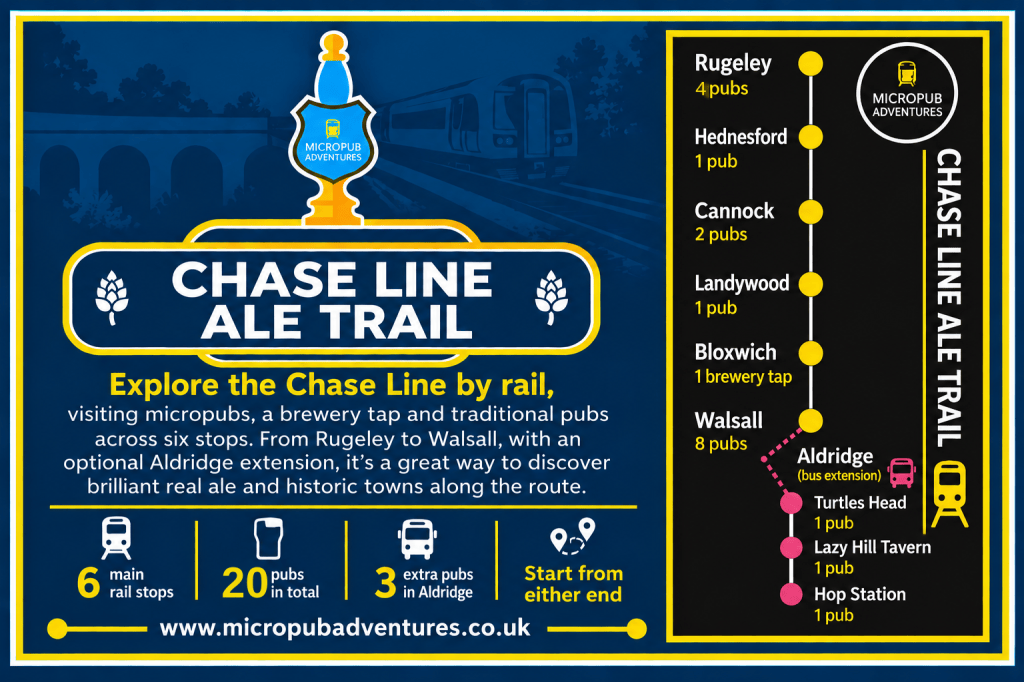
Chase Line Ale Trail
If you fancy following a similar route through the Cannock Chase area, I’ve put together the Chase Line Ale Trail. It follows the railway from Rugeley through Hednesford, Cannock, Landywood and Bloxwich to Walsall, with 20 pubs along the main route and an optional bus extension out to three pubs in Aldridge.
Stops on this trip
Jump straight to any stop, grouped by area:
Hednesford
Cannock
Landywood
Bloxwich
Walsall
The Pretty Bricks
Fountain Inn
Victoria (Katz)
Lyndon House Hotel
Black Country Arms
The Wheatsheaf
The Walsall Arms Tap House
Aldridge
The Hop Station
Lazy Hill Tavern
Turtles Head
Streetly
Black Country Cobs
One thing you see a lot in pubs around the Black Country is the traditional burnt top cob — a darker, well-fired crusty roll, usually filled with something simple and perfect alongside a pint.


Hednesford
Heddin’s Ford
I started the day in Hednesford at Heddin’s Ford Micro Pub. Heddin’s Ford occupies a characterful building at 69 Market Street in the centre of Hednesford. Local planning records show the property marked as a bank on a 1917 map, and its stone frontage still gives a clue to that earlier use, including decorative lion heads around the doorway. The premises later became a bookmakers before changing again in 2019. Its name looks back much further into the town’s past. Hednesford is thought to mean the “ford of Heden” or Heddin, with forms of the name recorded from the medieval period. It gives the building a nice link to Hednesford’s long history.

Heddin’s Ford has a warm, cosy interior with plenty of character packed into one room. There’s a mix of wooden tables, chairs and stools, along with a brown leather sofa and a tartan-covered corner seating area. Wood-effect panelling adds warmth around parts of the room, while the pale green walls keep the main space feeling light. Old photographs, local history pieces and small decorative touches cover the walls, giving you plenty to look at. The wooden floor runs throughout, with a large old trunk used as a table near the sofa. It feels comfortable, friendly and nicely lived-in.


It was great to meet Kelly, who gave me a warm welcome, alongside John from Cannock Chase CAMRA. A great selection of 4 cask ales was available on the bar, along with a choice of keg and cider. I went for Ragnar by Rudgate Brewery, a 3.4% pale ale that’s light, zesty and refreshing, as well as being vegan and gluten-free.


Cannock
New Hall Arms
Cannock was my next call, with the first of 2 visits here being to The Newhall Arms. New Hall Arms takes its name from the historic New Hall building in Cannock. The hall was built in 1891 for businessman J. D. Bumsted and was used mainly as a Sunday school for St Luke’s Church. It later became an important local meeting place, hosting talks, displays and entertainment for the town. During the 20th century the building changed use several times, including conversion to a supermarket in 1963 and later becoming a Dunelm storeroom. Part of the Victorian building eventually became home to the New Hall Arms, which opened in 2016 as Cannock’s first independent, family-owned local micropub.

Inside, the New Hall Arms has a warm, traditional look with a mix of old and newer touches. A deep red patterned carpet runs through much of the pub, with wooden tables and mismatched chairs set around the room. Grey and cream walls keep things fairly light, while a large woodland scene with a stag covers one end wall and really stands out. There’s cushioned bench seating in one corner, along with a few smaller seating areas tucked around the room. Framed prints and the New Hall Arms logo add a bit more character. Overall, it feels relaxed, comfortable and nicely unfussy.


A fantastic choice of 8 cask ales was available, along with a variety of keg options. I went for Surprise by Sarah Hughes Brewery, a 5% golden premium ale brewed with Maris Otter and Goldings, bringing a hoppy bitter taste, a malty body and a sweeter finish.


Arcade
Heading back towards Cannock Station brought me to The Arcade. Arcade sits in a Victorian building on Mill Street that dates back to around 1880. Long before it became a pub, the property formed part of Cannock’s older town-centre streetscape and is still noted for its traditional architectural details. The site is also closely linked with Arcade Music, the family-run music shop which moved here after its original town-centre arcade premises were demolished in the late 1980s. The Arcade pub business was set up in 2018, bringing a new use to part of the historic building while keeping its connection with the long-established music shop next door in Cannock town.

Inside, Arcade has a warm, quirky look with plenty of character. Exposed brick, dark walls and lots of wood give it a cosy, slightly industrial feel, with a mix of wooden tables, old chairs and red leather-style seating. Framed pictures, local touches and unusual bits and pieces cover the walls, while the bar has a bold, homemade look with metal and wood worked into the design. There are a few different seating areas to choose from, each with its own feel. Out the back, a large marquee had also been set up for their Oktoberfest event, with long tables, benches and plenty of Bavarian decorations.


There were 3 cask ales on the bar, along with a large choice of keg beers and even more cans and bottles in the fridge. I went for The Magic Number by Salopian Brewery, a 4.3% triple-hopped golden ale with mango, citrus and stone fruit flavours over a soft, slightly sweet malt base.


Landywood
Andy’s Ale House
Back on the train to Landywood to visit Andys’ Ale House. Andy’s Ale House opened in Great Wyrley in 2018, taking over Unit 37 in the Quinton Court shopping centre. The small former retail unit was converted into a one-room micropub and named after its two owners, both called Andy. It quickly became a well-known local stopping point, giving the shopping precinct a very different kind of use from the surrounding shops and takeaways. By 2019, it had already made its mark locally, winning Cannock Chase CAMRA’s Pub of the Year award. The ale house remains in the same compact unit today, still keeping the straightforward character of its original conversion.

Andy’s Ale House has a bright, cosy interior with plenty of traditional pub character. One wall is painted a bold blue and is lined with old local photographs, while another has stone-effect wallpaper that gives the room a warmer look. Wooden tables and a mix of chairs are dotted around the space, along with barrel tables and striped stools. There are also a couple of deep red leather sofas and an armchair, which add a more relaxed touch. A long wooden shelf with stools runs along one side of the room. It feels friendly, comfortable and nicely unfussy, with plenty of places to settle in.


There were 5 cask ales to choose from, alongside a variety of keg beers and ciders. I went for Harborough IPA by Langton Brewery, a 4.5% golden English IPA with a good hit of citrus, balanced by a crisp and pleasantly bitter finish.


Bloxwich
New Invention Brewery
Back on the train again, this time to Bloxwich to visit New Invention Brewery. New Invention Brewery & Taproom grew from a small home-brewing venture into a permanent brewery in Bloxwich. New Invention Brewery Ltd was incorporated in November 2018, with brewing beginning the following spring. The first setup was deliberately small, using a 100-litre kit that allowed plenty of experimentation while the business found its feet. The taproom at Pinfold Industrial Estate opened in June 2019, giving visitors the chance to drink on the same site where the beer was made. Since then, the brewery has expanded its equipment and output, but it has remained based at the same Bloxwich industrial estate home.

Inside, New Invention Brewery & Taproom has a dark, industrial look with plenty of character. Black-painted walls and exposed brickwork are broken up by bright red steel beams, red lighting and colourful framed artwork. Wooden tables and chairs fill the room, while the roller shutter and concrete floor keep the working brewery-unit feel. The bar is tucked to one side with large handwritten beer boards behind it, and there are plenty of brewery touches dotted around. Even the toilets have been given some personality, with the walls covered in colourful New Invention beer can labels. It feels relaxed, friendly and nicely individual.

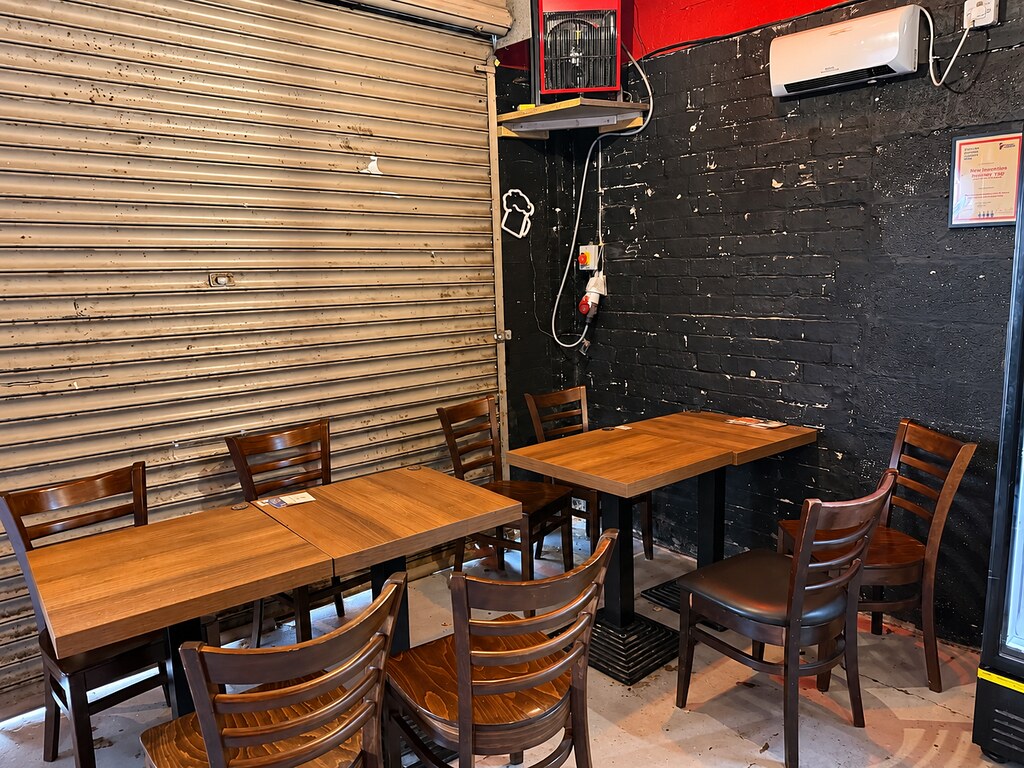


There were 2 cask ales available, alongside a brilliant line-up of 14 keg beers from New Invention and guest breweries, covering a really good mix of styles. I went for Lemon Cheesecake by New Invention Brewery, a 4.8% fruit beer with bright lemon, smooth vanilla, creamy cheesecake sweetness and a soft biscuity finish.


Walsall
The Pretty Bricks
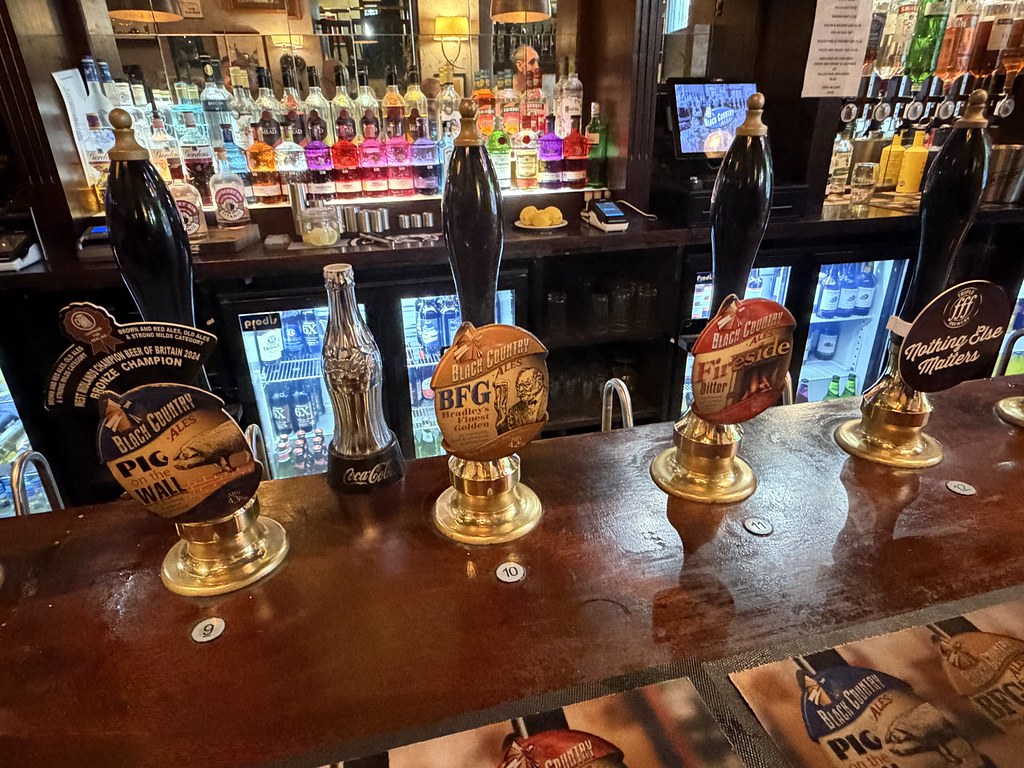
I next headed the short distance into Walsall for the next 7 pub visits, starting with The Pretty Bricks. Originally known as the New Inn, the Pretty Bricks has been part of Walsall’s pub scene since the 19th century. Its familiar nickname came from the striking brown and cream glazed bricks across the front, and eventually became the pub’s official name. The building was altered in 1924 by former owners Showells of Langley, with much of that traditional layout still surviving today. The pub also has an important place in local beer history. It was one of the pubs involved in CAMRA’s early days, while the Walsall branch of the campaign was formed here in 1972. Today it is run by Black Country Ales.

Inside, the Pretty Bricks has a lovely traditional pub look with dark wood, patterned wallpaper and rich red seating throughout. The bar is full of character, with old woodwork and stained glass around the serving area. Framed photos, old pub pictures and little historic touches sit around the rooms, while fireplaces, patterned carpets and wooden tables keep everything warm and cosy. Each part of the pub has its own slightly different feel, but it all ties together nicely. Out the back there’s also a small enclosed courtyard with cobbles, picnic tables, whitewashed walls and hanging baskets, giving you a pleasant outdoor spot as well.


There were 7 cask ales to choose from, alongside 3 still ciders and a range of keg options. I went for Con-Door-Man by Fixed Wheel Brewery, a 4.3% session IPA brewed with Cashmere and Junga hops, bringing a light fruity character with citrus and soft stone-fruit notes, followed by a pleasantly hoppy finish.


Fountain Inn
A short walk away in Walsall was The Fountain Inn. The Fountain Inn has been part of Lower Forster Street for years, with records showing it trading as a pub by 1939, when John T. Alcock was the licensee. The licence passed to James Emmanuel Meeke in 1940, and the pub was later associated with Butlers and Atkinsons. It closed in August 2011 but survived the fire at the neighbouring Jabez Cliff factory. Backyard Brewhouse acquired the pub in November 2012 and helped bring it back to life, with John Horton taking charge. It reopened that December and has remained with the Horton family, later winning Walsall CAMRA Pub of the Year in 2017.

Inside, the Fountain Inn has a warm traditional pub look, with dark green walls, wooden floors and plenty of character. A large fireplace sits beneath an old Fountain Inn mirror, while framed pictures and pub signs add interest around the room. There’s a mix of wooden tables and chairs, deep red seating around the windows and some lovely stained glass between the rooms. The high patterned ceilings are another nice feature and help give the place its old-fashioned feel. Out the back there’s also a small enclosed outdoor area, with wooden benches and tables set against the old brick walls.


There were 6 cask ales to choose from, alongside a variety of keg options. I went for Mild by Springbanks Brewery, a 3.6% traditional mild that’s smooth and creamy, with a light fruity malt character balanced by earthy, woody and gently floral English hops.


Victoria (Katz)
Next up in Walsall was to The Victoria (Katz). The Victoria is recorded on Lower Rushall Street by 1878 and was rebuilt in 1901, with a small brewery added at the rear. It closed briefly in November 1983 before reopening in 1984 as Katz. Local pub history says the nickname came from Walsall’s Irish community, who were said to have referred to Queen Victoria as the “cat queen”, and the pub became known as Katz. By 2000 it had returned to the Victoria name, although Katz has stuck locally. The old brewery building survives behind the pub, adding another interesting piece to this long-standing Walsall pub’s story today.

Inside, the Victoria has the warm, traditional look of a proper old Walsall pub, with two cosy rooms full of character. Dark wood features throughout, from the bar and seating to the tables and fittings, while green and cream walls add a bit of colour. Patterned carpet, framed pictures, old pub touches and a few trophies help give it a nicely lived-in look. Seating is a mix of benches, wooden chairs and small tables, with plenty of little corners to settle into. Out the back there is also a sheltered outdoor area, with picnic tables, extra seating, plants and a small garden space.


It was also great meeting Jason, the landlord, and Gary from Walsall CAMRA, and having a really good chat with them both. There were 5 cask ales to choose from, alongside a range of keg options. I went for Golden Glow by Holden’s Brewery, a 4.4% golden ale with a gentle sweetness, fragrant hop aroma and a light citrus bitterness that gives it a really refreshing finish.


Lyndon House Hotel
Lyndon House Hotel was my next visit in Walsall. Lyndon House Hotel has a surprisingly varied past. Part of the site was once the Royal Exchange pub, while neighbouring buildings had been used as a Salvation Army hostel and leather works. The old leather works also became the first Walsall factory of electrical manufacturer J. A. Crabtree & Co in 1919, where switches, plugs and sockets were made. In 1995, the former pub and adjoining buildings were brought together to create the Lyndon House Hotel. Today, it still carries traces of those different uses, giving this independent Walsall pub and hotel a history tied closely to the town’s industrial past.

Inside, Lyndon House has a warm, traditional pub look with lots of character. Exposed brickwork, heavy wooden beams and stained-glass panels give the rooms an old-fashioned feel, while patterned carpets, wooden tables and red cushioned stools add plenty of warmth. There are several cosy corners rather than one big open room, with fireplaces, decorative plates, old signs and framed pieces adding interest throughout. One room has a large brick fireplace and curved red seating tucked around the windows. The dark timber and soft lighting suit the building really well. Outside, there is also a covered seating area running alongside a lovely ivy-covered wall.


There were 4 cask ales to choose from, alongside a range of keg options. I went for SPA by AJ’s Ales, a 4.2% session pale ale brewed with El Dorado and Ella hops, bringing a smooth bitterness, a peachy aroma and a well-balanced tropical fruity flavour.

Black Country Arms
Onto The Black Country Arms in Walsall next. Black Country Arms is one of Walsall’s oldest surviving pub buildings, with its history stretching back to the 1600s. It was originally connected with the town’s Guildhall and was known for many years as the Green Dragon. By the 1700s it had become an important meeting place, with assembly rooms that were even used as a theatre between 1787 and 1803. Parts of the building were later used for council and magistrates’ offices before it returned to pub use in 1976. Black Country Ales took it over in 2008, when it became the Black Country Arms we still know today.

Inside, the Black Country Arms has a lovely traditional look, spread across three different levels. Dark wood runs throughout, alongside patterned carpets, buttoned seating and a mix of wooden tables and chairs. Some rooms have decorative wall panels and framed old photographs, while others feature patterned wallpaper and a handsome fireplace. Frosted glass screens and dark timber partitions help break the pub into smaller areas, despite the tall, open space around the centre. One of the nicest touches is the large bay window, with its unusual hanging globe lights. It all feels warm, comfortable and full of character.


There was a huge line-up of 12 cask ales to choose from, alongside a selection of still ciders and keg options. With plenty to pick from, I went for Saddle-Up by AJ’s Ales, a light, well-balanced and refreshing IPA that went down very nicely.


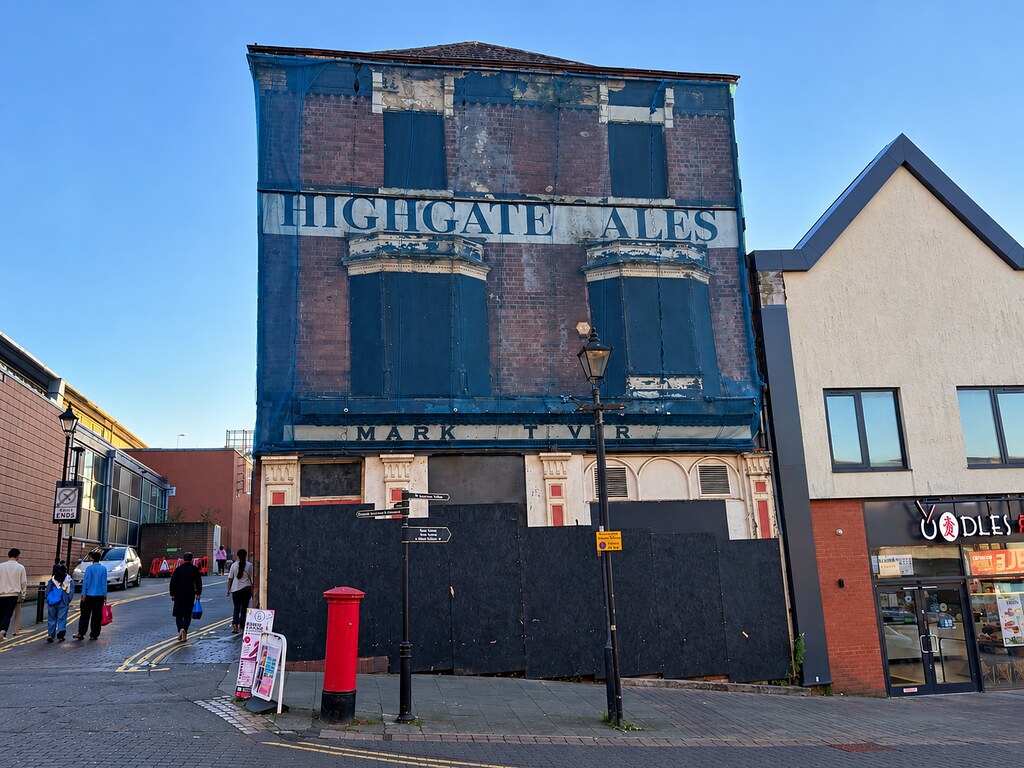
A Little History – The Former Market Tavern
This striking old building on Walsall High Street has a history stretching back to the 18th century. By 1813 it was known as the Castle Inn, an important town-centre inn with an assembly room and ballroom, and it was also used for local court sittings. During the 19th century it became closely associated with the Paine family and was later known as Paine’s Wine Vaults.

Over the years the building traded under several different names, including the Punch & Judy and Henri’s Bar. Highgate Brewery refurbished it in 1998, reopening it as the Brewery Stores, before it later became the Market Tavern. That name appeared in 2008, but the pub had closed again by 2009. The building has remained shut since, with the old Highgate Ales lettering still clearly visible across the front today.
The Wheatsheaf
Up next in Walsall was to The Wheatsheaf. The Wheatsheaf has been serving Walsall since at least 1801, making it one of the town’s long-established pubs. Walsall Council describes the building as an early 19th-century, three-storey house, now used as a pub. Over the years it was connected with well-known brewers Allsopp and later Ansells, and from 1922 it also served as the headquarters of Walsall Rugby Club. In the 1990s the pub became the Flock & Firkin, before being restored and returning to the Wheatsheaf name in 2007. It has since continued as a familiar Birmingham Road pub, carrying more than two centuries of local drinking history.

Inside, The Wheatsheaf has a warm, traditional look with wooden floors, dark wood, pale walls and plenty of character throughout. The bar is packed with mirrors, bottles and old-style fittings, while pictures, signs and music memorabilia cover much of the walls. One area has a striking black-and-white collage, while another has a fireplace, leather seating and framed local pictures. There are also quieter corners with simple wooden tables and chairs. Outside, there’s a large paved beer garden with plenty of picnic benches, plants and trees around the edges. Overall, it feels relaxed, lived-in and full of character.


There were 4 cask ales to choose from, alongside a range of keg options. I went for Hazy Daisy by AJ’s Ales, a light and easy-drinking hazy pale with a fresh, fruity character and a nicely refreshing finish.


The Walsall Arms Tap House
Last up in Walsall was to The Walsall Arms Tap House. The Walsall Arms on Bank Street dates back to around 1845 and began life as one of Walsall’s early beer houses before developing into a fully licensed pub. By the 1861 census, Simeon Heath was recorded here as the innkeeper. After his death, an 1866 sale notice described the pub as “old-licensed and well-accustomed” and listed a bar, tap room, bagatelle room, club room, brewery and malt room. Brewing was therefore once carried out on the premises. More than 180 years later, the Walsall Arms remains a traditional back-street pub, still serving the town from the same Bank Street address.

Inside, the Walsall Arms has a warm, traditional pub look, with plenty of wood, red seating and a mix of tables, chairs and stools. The curved wooden bar is a main feature, with wood panelling continuing above it and around the room. Red and cream walls, patterned wallpaper and framed old photographs give the pub plenty of character and a nice local touch. One of the cosier corners has a fireplace with a large mirror above, surrounded by bench seating and small stools. The different little areas give it a relaxed, lived-in feel, with plenty of traditional pub character throughout.


There were 3 cask ales to choose from, alongside a range of keg options. I went for HPA by Wye Valley Brewery, a light and refreshing pale ale with a crisp, hoppy character and an easy-drinking finish.


Aldridge
Hop Station, Aldridge
I headed out to nearby Aldridge next, first visiting The Hop Station. The Hop Station on Walsall Wood Road has had a few different uses over the years. The building was once home to a Co-op shop, before plans were approved in 2016 to turn the unit into a wine bar. It later traded as un-WINE-d Bar & Coffee Shop, giving the former shop a new lease of life. In July 2024, it reopened once again, this time as The Hop Station. The pub was set up by a former firefighter, and its logo even features his old fire station at Aston. It is another example of an old shop unit being brought back into use in a completely different way.


Inside, the Hop Station has a bright, cosy and slightly quirky look, with exposed brick around the bar, light walls, wooden tables and a mix of different chairs. There are lots of little details around the room, including signs, flags, framed bits and warm hanging lights, which give it plenty of character. It was especially lively when I visited as their Oktoberfest festival was on, with the place packed out and decorations hanging across the room. There is also plenty of seating out front, with tables, benches, large umbrellas and planting making a nice little outdoor area by the entrance.


There were 8 cask ales to choose from, with four being poured from a separate bar for the Oktoberfest festival, alongside ciders and a wide range of keg options. I went for It’s Jazzy by Cloudwater Brew Co, a 5% cask-exclusive pale ale brewed with Strata and Idaho 7 hops. It was a lovely modern pale, with plenty of fruity hop character and a fresh, easy-drinking finish.


Lazy Hill Tavern
Right next door in Aldridge was Lazy Hill Tavern Ale Pub & Kitchen. The Lazy Hill Tavern on Walsall Wood Road has a longer history than its present name might suggest. The building originally started life as a farmhouse before later becoming a country club. In 1986 it was converted into a pub, beginning a new chapter for the old property. The current Lazy Hill Tavern was established in 2018 and remains independently run. The building still has the look of an older roadside pub, with several separate rooms rather than one large open space. Today it continues to serve Aldridge as a family-run pub, keeping an old local building in use and welcoming people through its doors.

Inside, the Lazy Hill Tavern has a warm, traditional pub look, with low beams, cream walls and plenty of dark wood throughout. The rooms are broken up into different little areas, which gives the place plenty of character and makes it feel bigger than you first expect. There is patterned carpet in the main seating areas, tiled flooring nearer the entrance, and a mix of wooden chairs, tables and comfy leather booth seating. Old pictures and small decorative touches add to the cosy feel. It was nice and busy when I visited, with a lively but still relaxed atmosphere throughout.


There were 4 cask ales to choose from, alongside a variety of keg options. I went for Entire by Broughs Brewery, a dark and smooth porter with roasted malt flavours, a gentle bitterness and a rich, easy-drinking finish.


Turtles Head
A walk down to Aldridge town centre brought me to The Turtles Head. The Turtles Head has been part of Aldridge since 2015, when this little unit in Croft Parade was turned from a former hairdresser’s into a pub. It is a nice example of how a small shop can be given a completely new lease of life. Rather than being an old traditional pub building, it started life as one of the growing number of micropubs opening in former shops around the country. Over the years, it has become a familiar part of Aldridge town centre and still keeps that small independent character. From the outside, it sits neatly among the other shops on Croft Parade.

Inside, The Turtles Head has a warm, relaxed look, with wooden flooring, pale walls and a mix of tables, stools and comfy chairs. The leather armchairs by the front window make a particularly cosy little corner, while more seating runs further back through the room. One of the most eye-catching features is the long display of hats and caps around the walls, which gives the place plenty of character. Hanging lights, plants and little decorations help soften the room. Outside at the front, there is also a small covered seating area with tables and chairs, making good use of the space outside the pub.


There were 3 cask ales to choose from, alongside several keg options. I went for Traverse by Bristol Beer Factory, a 4% session IPA brewed with Kveik yeast and Vista hops. It had plenty of orange and citrus coming through, with lighter melon and stone-fruit flavours underneath. Full of flavour without being too heavy, it was a fresh, easy-drinking pint and a really nice choice for the stop.


Streetly
Andy’s Brew House
My final visit on Saturday was in nearby Streetly to Andy’s Brew House. Andy’s Brew House on Boundary Road is a fairly new addition to Streetly. The little pub first opened in 2018 as The Brew House and soon became a popular local spot, fitting nicely into the small row of shops around it. The original Brew House closed in June 2024 after the lease came to an end, but thankfully the story did not finish there. Later that year, the pub reopened under new ownership as Andy’s Brew House. It has kept the same small, independent character and continues to give Streetly a friendly little local pub of its own.

Inside, Andy’s Brew House has a warm, relaxed look, with wooden flooring, exposed brick and teal walls giving the room plenty of character. There is a good mix of wooden tables, chairs and stools, with timber panelling running around the lower walls. Large hanging bulbs add a cosy glow, while the long open room feels bright and welcoming. The walls are covered with colourful pump clips and signs, adding plenty to look at without making it feel too busy. At the front, the large windows open everything up, with a small outside seating area providing a handy extra spot when the weather is good.


There were 3 cask ales to choose from, alongside a range of still ciders and keg options. I went for Showdown by Bristol Beer Factory, a smooth and easy-drinking pale ale with plenty of fresh hop character, light citrus notes and a crisp, refreshing finish.


