Derby: Historic Pubs, Real Ale & a Heritage Beer Festival
On Saturday I headed to Derby for a day exploring the pubs with Niall, who runs From Sheffield with Pubs. Starting near the railway station, we worked our way around the city, calling into traditional pubs, Derby’s first micropub and some wonderful historic buildings. We also visited Derby CAMRA’s Heritage Beer Festival at the beautifully restored Market Hall, which was a great addition to the day. Along the way there were plenty of real ales to enjoy, interesting interiors to look around and lots of good conversation. We finished at the Falstaff, rounding off a brilliant day discovering more of Derby’s pub history.
Derby has a long and fascinating history, stretching back to Roman times when a fort called Derventio stood at what is now Little Chester. The town later grew under the Anglo-Saxons and Vikings, who called it Deoraby. By the 18th century, Derby was becoming an important centre for industry. The Silk Mill, built in 1721 beside the River Derwent, helped shape the early factory age. Railways brought more growth during the 1800s, and Derby became closely linked with railway engineering. The city was granted city status in 1977. Today, its old streets, historic buildings and traditional pubs still tell plenty of stories.
Who I Met
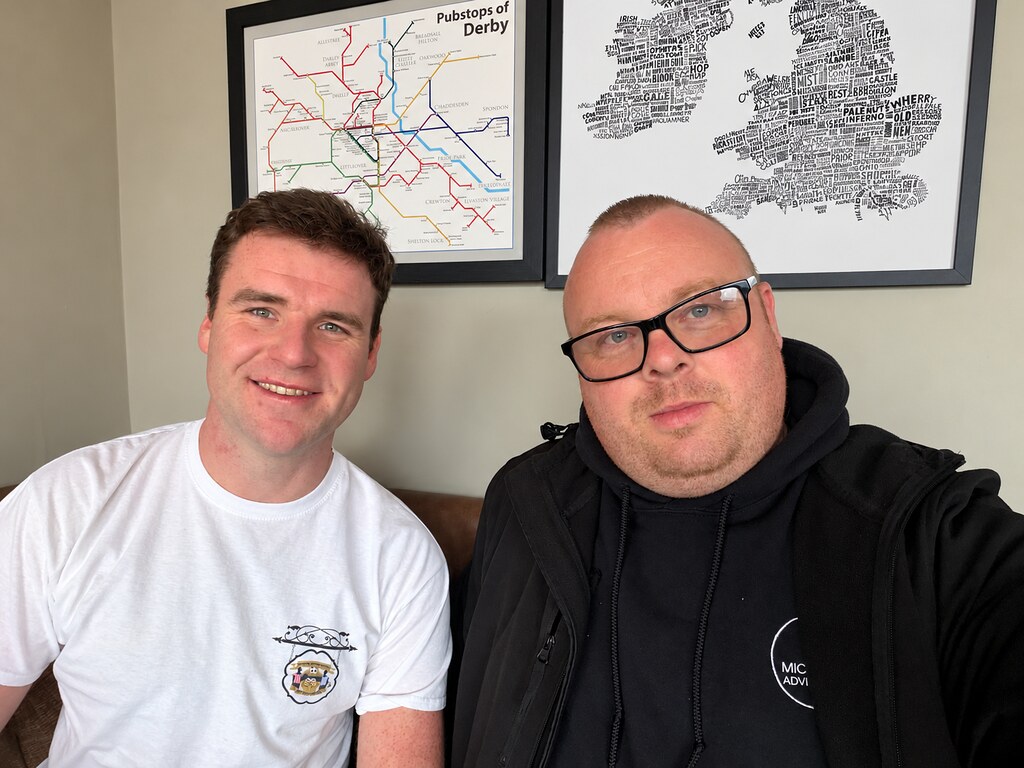
I spent the day exploring Derby with Niall, who runs From Sheffield with Pubs. We made our way around the city’s pubs, enjoying a few pints and plenty of local history along the way. It was lovely to share the day with someone who enjoys exploring pubs just as much as I do.

Victoria Inn
First call of the day was to The Victoria Inn. The Victoria Inn, known locally as the Vic, stands directly opposite Derby railway station and has long been a familiar stopping point for travellers and locals. The pub has built a particularly strong reputation for live music, with acts including Snow Patrol, Kasabian, Biffy Clyro and The Libertines associated with its music history. Alongside its musical connections, the Victoria has maintained a traditional pub feel and a strong interest in real ale and cider. Following refurbishment, it reopened in July 2022. In 2026, Derby CAMRA recognised the pub with a special award for its charitable work, reflecting its important place in the local community.

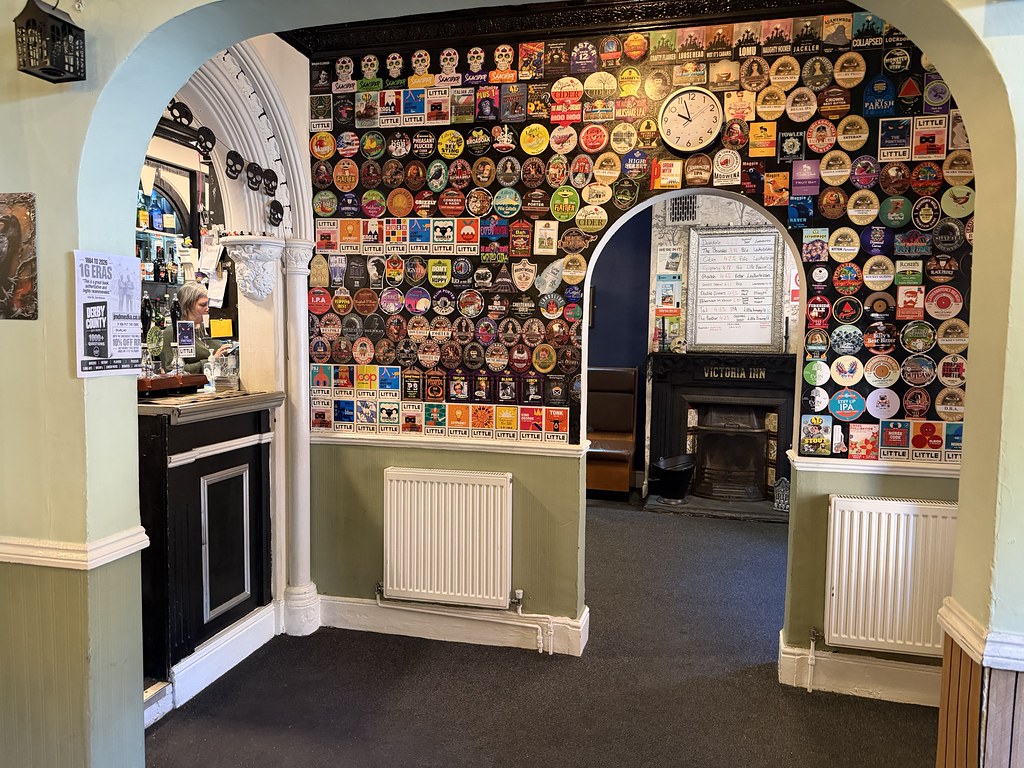
Stepping inside the Victoria Inn, there’s a lovely traditional feel, with two rooms full of character. There’s comfortable leather seating, dark wooden tables and plenty of old photographs in decorative frames covering the walls. The rooms are connected by attractive archways, with one of the most eye-catching features being the colourful collection of beer pump clips covering much of one wall. There’s also a lovely old fireplace, while the dark ceilings and wooden panelling add to the cosy feel. Outside is a good-sized beer garden, with wooden picnic benches, colourful painted walls and a covered seating area.



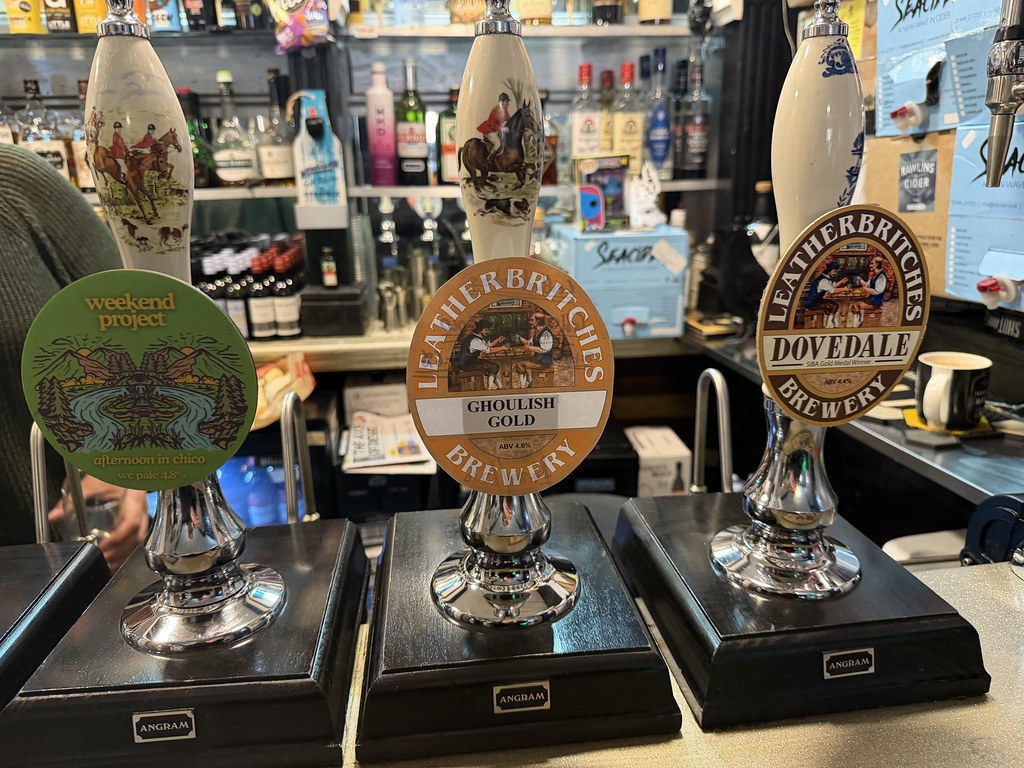
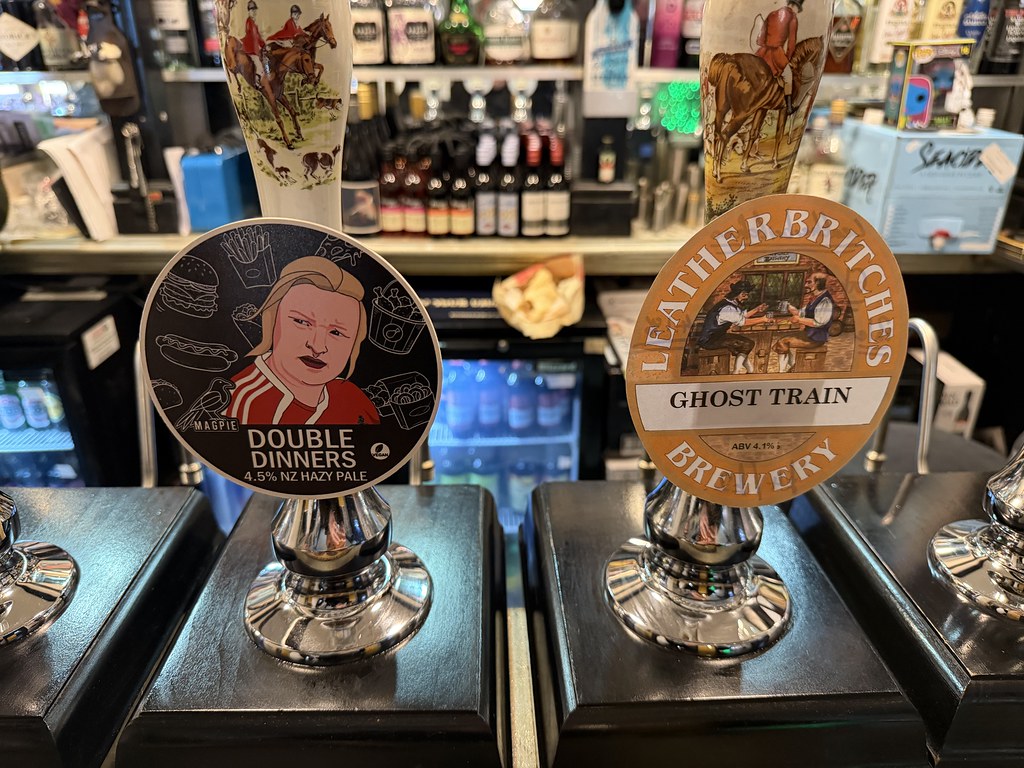
There were ten cask ales to choose from on my visit, alongside a range of keg options. I went for Ghost Train, a pale ale from Leatherbritches Brewery, based at Smisby near Ashby-de-la-Zouch in Leicestershire. It was lovely to see such a good choice of real ale so early in the day, and a great way to get things started just across the road from Derby railway station.


Merry Widows
Next door to The Victoria Inn is The Merry Widows. The Merry Widows stands directly opposite Derby railway station, occupying an unusual triangular corner building with entrances on two sides. Previously known as Wright’s Vaults, the pub has long been a familiar sight for people arriving in Derby by train. Its distinctive shape makes it stand out among the neighbouring buildings, while its position opposite the station has helped make it a convenient stopping point for generations of drinkers. More recently, the pub entered another chapter in its history when Roebuck Brewery took over its operation in June 2026, providing the brewery with its only Derby outlet and continuing the building’s long tradition as a local pub.

Inside the Merry Widows, the unusual triangular shape of the building gives the pub plenty of character. A large arch divides the interior into two main areas, with the bar running between them. Towards the front is a cosy lounge, with curved dark leather seating and round wooden tables. Another seating area sits to the side, making good use of the unusual layout. Dark ceiling beams, patterned carpets and pale walls add to the traditional feel, while photographs of former Derby County footballers decorate the walls. Outside, there’s a paved seating area alongside the building and a small courtyard at the rear with tables and chairs.


Two cask ales were available during my visit, alongside a selection of keg beers. I went for Roebuck Blonde, a 3.7% session blonde ale from the Roebuck Brewing Company. The small Derbyshire brewery began brewing in 2017 behind the Roebuck Inn at Draycott-in-the-Clay, using a six-barrel brewing plant. It was nice to try one of their own beers here, especially with the brewery having taken over the Merry Widows earlier this year.

Brunswick Inn
Just up the road was The Brunswick Inn. The Brunswick Inn has a wonderful connection to Derby’s railway history, dating back to 1842 when it opened as a purpose-built railway inn. Designed by Francis Thompson, it originally served railway workers and second-class passengers, standing alongside the railway cottages built for the growing railway community. The pub remained in railway ownership for 105 years before eventually closing in 1974. Its future looked uncertain, with demolition threatened, but local support helped save the building. Following restoration work, it reopened in 1987 and became one of Derby’s best-known real ale pubs. Brewing began on the premises in 1991, adding another chapter to its long history.

Stepping inside the Brunswick, there’s a lovely old-fashioned feel, with several cosy rooms full of character. There’s plenty of traditional wooden seating, old fireplaces and railway photographs decorating the walls, while the stone floors add to the pub’s charm. You’ll also find lots of interesting railway memorabilia dotted around, a lovely reminder of the pub’s long connection with Derby’s railway history. Each room has its own character, with plenty of comfortable corners to settle down and enjoy a pint. Outside, there’s a small beer garden, where you’ll find an old Derby railway station sign, another nice little nod to the pub’s past.


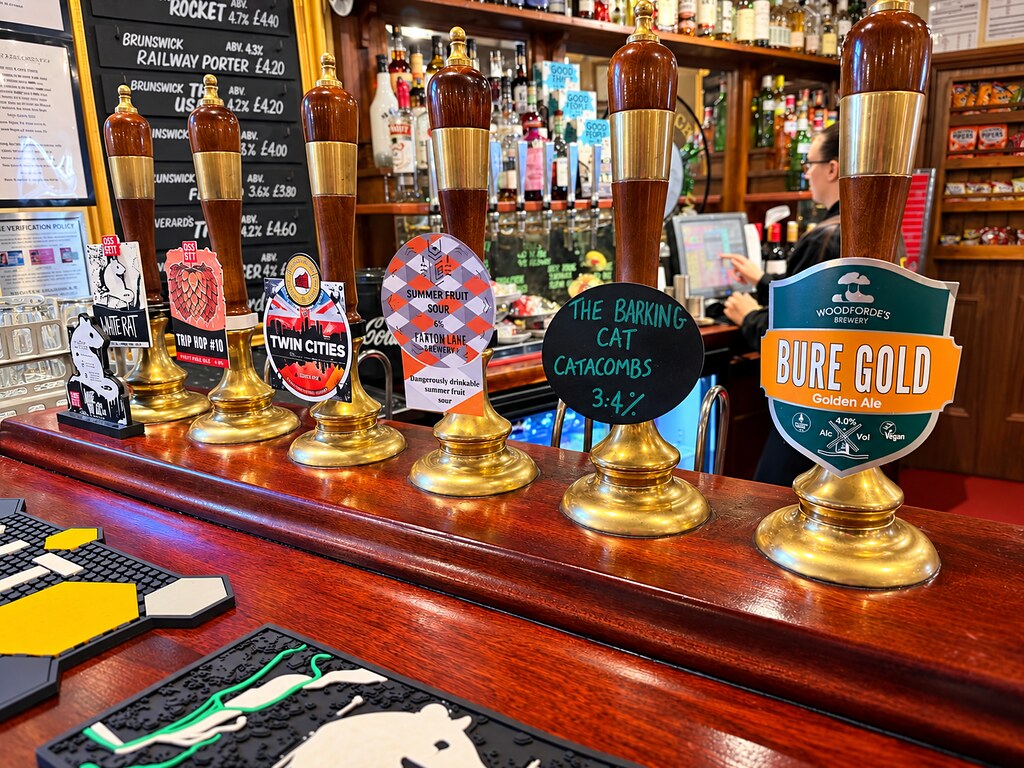
There was a huge choice of 16 cask ales on offer, alongside ciders and a range of keg beers. With so much to choose from, I went for Catacombs, a 3.4% oatmeal stout from The Barking Cat Brewing Company. Based in Poole, Dorset, the small brewery launched in 2025 and was founded by father and son Mark and Michael Ambrose, who are also behind the Barking Cat Alehouse. It was great to see a beer from a Dorset brewery among such a varied selection here in Derby.


Alexandra Hotel
Onto Alexandra Hotel. The Alexandra Hotel is another of Derby’s historic railway pubs, designed in 1871 by architect G. H. Sheffield. Named after Princess Alexandra, who married the future King Edward VII in 1863, the building once stood close to a branch of the Derby Canal. It has a particularly important place in local real ale history, as Derby CAMRA was founded here in 1974. The pub faced an uncertain future in 1987 when it was threatened with demolition, but was saved by Bateman’s Brewery. Today, it is part of the Castle Rock family and remains a popular traditional pub, especially among railway enthusiasts.

Inside the Alexandra Hotel, there’s a wonderful railway theme running throughout the pub, with old railway photographs, station clocks and plenty of memorabilia covering the walls. The building is divided into two main areas, with a traditional public bar on one side and a comfortable lounge on the other. Both have plenty of character, with wooden seating and lots of interesting railway items to discover. A plaque in the lounge remembers the founding of Derby CAMRA in 1974. Outside, one of the most unusual features is the cab of a Class 37 locomotive, which stands in the car park and adds to the pub’s railway character.


There were eight cask ales to choose from during my visit, alongside a fantastic range of ciders and keg beers. I went for Green Hop Pale from Magpie Brewery in Nottingham, a 3.4% pale ale made using fresh hops. Green-hop beers are a seasonal treat, brewed with hops soon after they’re picked rather than dried and stored. A lovely choice for this stop, with plenty of railway history to look at while enjoying a pint.


The Derby Mercury – A Love Letter to My Local
Published on 17 October 2026, The Derby Mercury’s ‘A Love Letter to My Local’ is a lovely tribute to the Alexandra Hotel. Inspired by George Orwell’s 1946 essay The Moon Under Water, the writer looks at what makes a great pub and how the Alex measures up. There’s plenty of appreciation for its Victorian character, two separate bars, friendly staff, railway memorabilia, choice of real ales and ciders, and its beer garden. The article also remembers how the pub was saved from demolition in 1987. It even mentions a free-pint offer at the Alex for paid Derby Mercury subscribers at the time of writing. Above all, it celebrates the part traditional pubs still play in bringing people together.
Derby Market Hall – Beer Festival
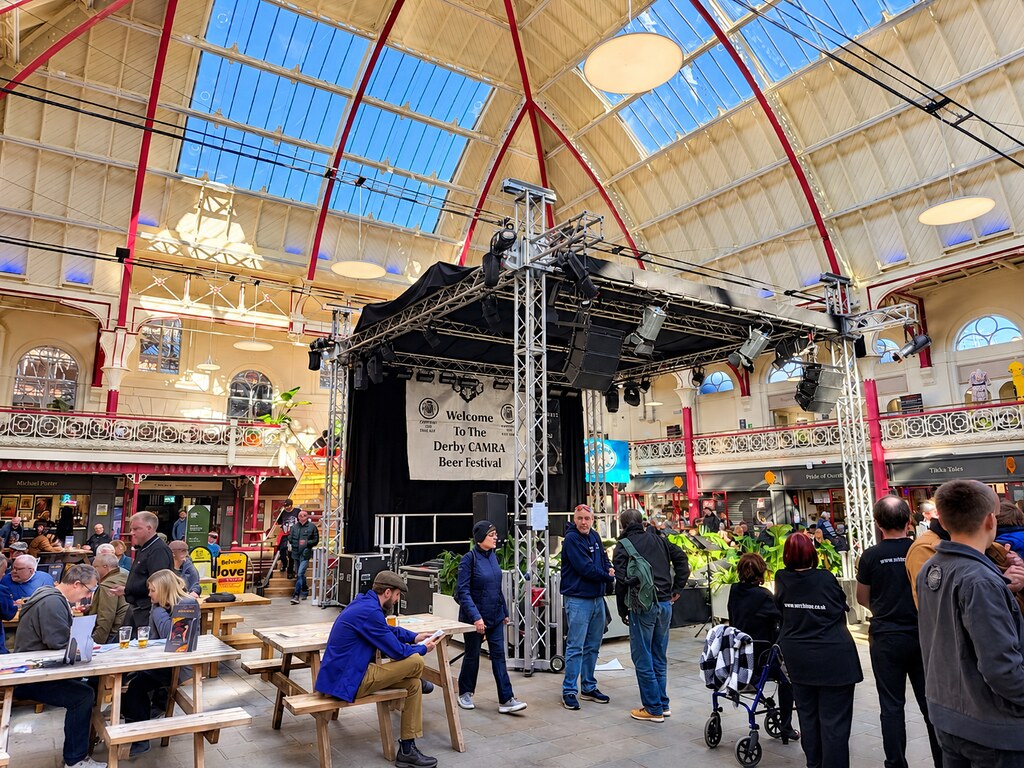
I headed next to Derby CAMRA Heritage Beer Festival held in Derby Market Hall. Derby Market Hall is one of the city’s finest Victorian buildings, with a history stretching back to 1866. Built to provide a covered market for Derby’s traders, it became an important part of everyday life in the town. Its grand ironwork, impressive roof and spacious interior made it a striking building, and generations of shoppers have passed through its doors. Over the years, the hall has seen plenty of changes, but its character has remained. Following a major restoration, it reopened in 2025, bringing new life to this historic space with independent traders, places to eat and drink, and events celebrating Derby’s heritage.

Organised in partnership with Derby CAMRA, the festival featured more than 100 beers, with a great selection from Derbyshire breweries alongside others from further afield. The two large cask ale bars were set up in the centre of the Market Hall, alongside the cider and perry section and key keg beers, while the world beers were available along the side. There was plenty of seating for everyone to settle down and enjoy a drink, with independent food traders dotted around the hall too. It was lovely to see so many people enjoying the festival in such wonderful surroundings.




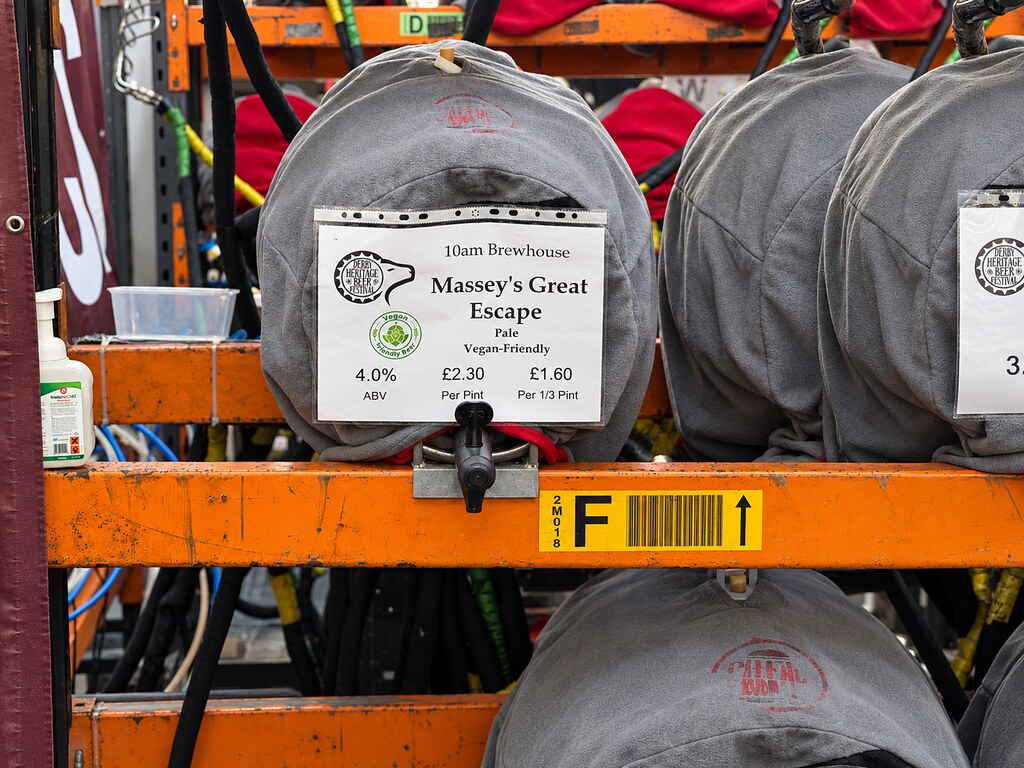
I tried four different beers during my visit, starting with Sunstead from All Day Brewing, a 4.2% pale ale. Next was Massey’s Great Escape from 10am Brewhouse, a 4.5% pale brewed with Harlequin, Citra and Amarillo hops for a citrusy flavour. I also sampled Glass Heart from Red Dog Ales, a 4.6% pale with pine and grapefruit notes from its mix of Mosaic, Citra and Centennial hops. My final choice was Guildhall Pale from Derby’s Pour Me brewery, made especially for the festival to celebrate the restored Market Hall. It was a lovely chance to try a few different beers, including something brewed specially for the occasion.



The Old Bell Hotel
After the festival I took the short walk to The Old Bell Hotel. The Old Bell Hotel on Sadler Gate dates back to 1650 and is Derby’s last surviving coaching inn. It was once a busy stopping point for travellers, with stagecoaches arriving through the passageway into the courtyard, where horses could be changed and guests could rest. At its busiest, the inn had more than 50 bedrooms, and over the years the building also housed a doctor’s surgery and courtroom, with cells down in the cellar. Its final coach departed in 1885. After years of changes and decline, a major restoration completed in 2015 brought this lovely piece of Derby history back to life.

Stepping inside the Old Bell Hotel, there’s so much character spread across its different rooms. Dark wooden beams run across the ceilings, with wood-panelled walls, old photographs and lovely leaded windows. One of the rooms has a wonderful carved fireplace, red patterned chairs and comfortable leather seating, while another has colourful stained-glass windows that really catch the eye. There’s also a more modern seating area, giving the place a nice mix of old and new. Look out for the lovely wooden carving showing people enjoying a drink. Outside, the cobbled courtyard is another lovely place to sit, surrounded by timber-framed buildings.


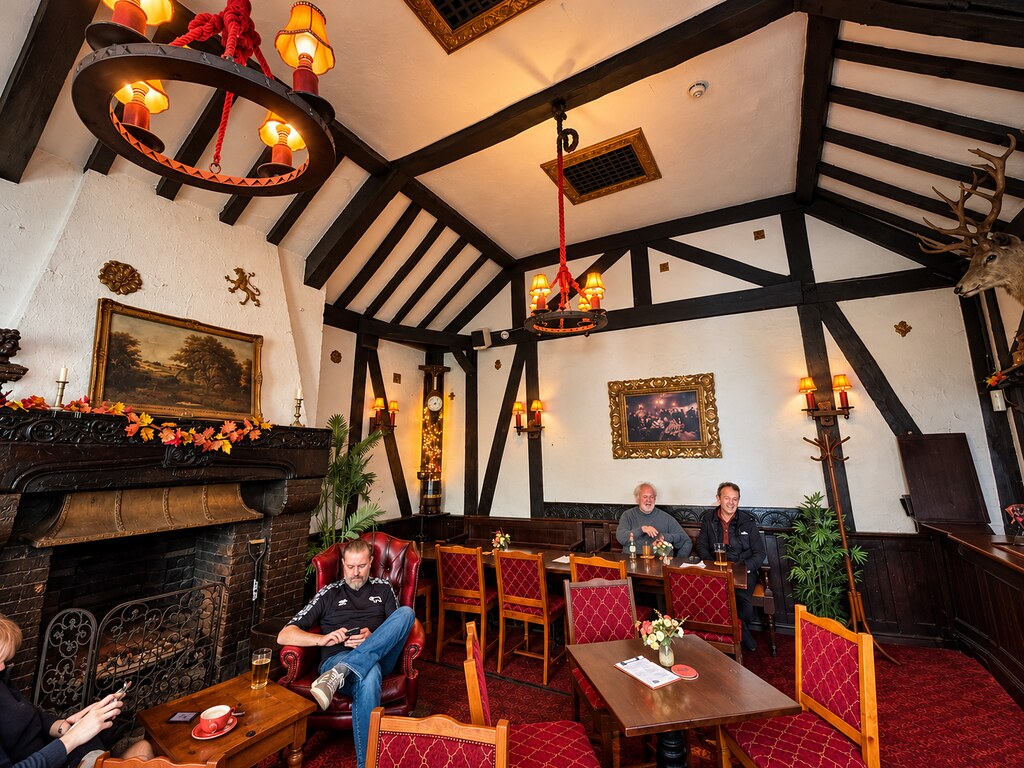


There were four cask ales to choose from, along with four still ciders and a range of keg beers. I went for Worker Bee from Thornbridge Brewery in Bakewell, a 4.6% blonde bitter inspired by the traditional Manchester style. It’s a balanced, easy-drinking beer and was a lovely choice for a stop at the Old Bell, with so much history and character to look at around the building.


The Tannery
Further down Sadler Gate brought me to The Tannery. The Tannery occupies a lovely Grade II listed building on Derby’s historic Sadler Gate, dating back to around 1825. Originally built as two shops with living accommodation upstairs, the building has seen plenty of changes over the years. More recently, it was home to Brooklyn Social, a popular bar, before becoming Carnivore steakhouse. After the restaurant closed and the premises stood empty, Ashover Brew Co gave the building a fresh start, opening The Tannery in June 2026. A £15,000 council grant helped with the renovation, bringing another chapter to this lovely old building in the heart of Derby.

Stepping inside The Tannery, there’s a lovely mix of old and new, with exposed brick walls, dark wooden floors and green painted beams giving the place plenty of character. The bar has an attractive dark green tiled front, with wooden tables and seating nearby. The building is spread across three floors, with the second and third floors both having lovely bright rooms with large windows, long wooden tables and benches, alongside smaller seating areas. Colourful artwork adds a splash of colour, while the warm lighting and exposed brickwork give the place a cosy, welcoming feel. There’s plenty of space to settle down.


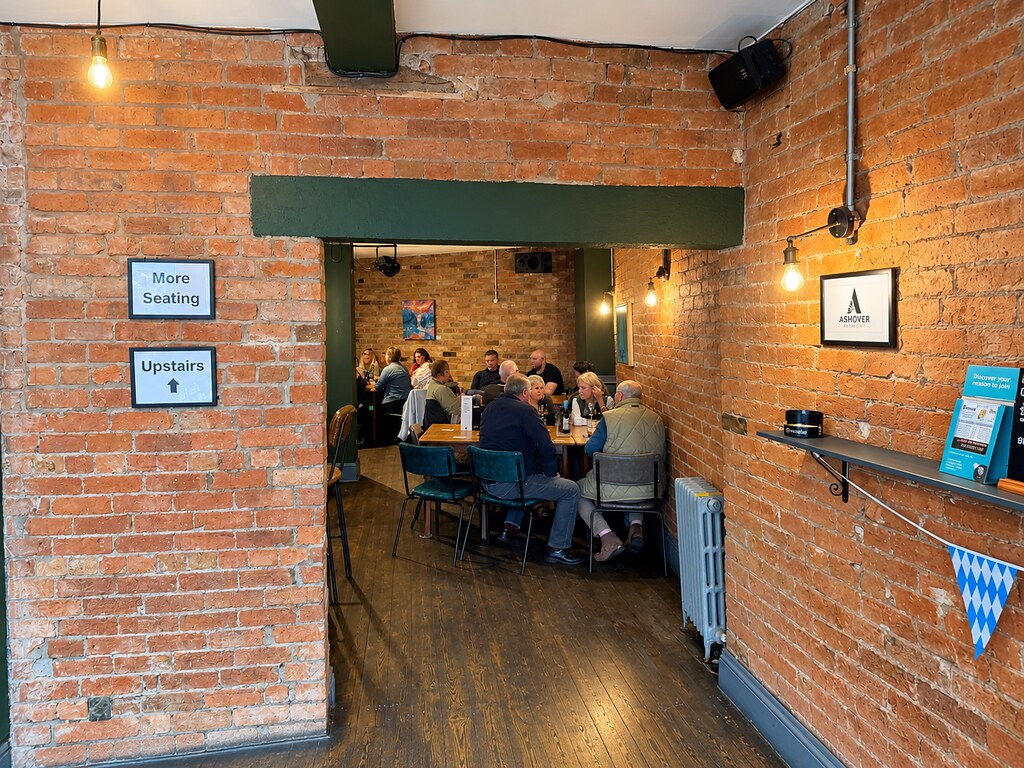

There were six cask lines alongside a huge tap wall behind the bar, with a wide choice of keg beers covering different styles and strengths. I went for Cripton from Ashover Brew Co, a 4.1% pale ale. It was lovely to try one of the brewery’s own beers in its Derby taproom, and with such a good selection on both cask and keg, there was plenty to choose from.


Furnace Inn
My next visit in Derby was to The Furnace Inn. The Furnace Inn has an interesting brewing history and was once a tied house belonging to Hardy’s & Hansons Brewery in Kimberley before becoming a freehouse. In 2012, the pub became home to Shiny Brewery, which started producing its beers on the premises. The brewery quickly grew in popularity and eventually needed more space, moving to larger premises in Little Eaton in 2016. Brewing continued at the pub under the Furnace Brewpub name, keeping its connection with locally produced beer alive. Today, the Furnace remains a well-known stop on Derby’s real ale scene, combining its traditional pub roots with a more modern approach to brewing.

Stepping inside the Furnace Inn, there’s a lovely mix of traditional pub character and a relaxed, modern feel. Dark green wooden beams run across the ceiling, with comfortable bench seating, wooden tables and colourful stools dotted around the different areas. The large black-and-white beer artwork covering the back wall really catches the eye and adds plenty of character. Big windows bring lots of natural light into the front seating area, making it a nice spot to settle down for a chat. Outside, there’s also a spacious beer garden with picnic benches, giving everyone plenty of room to enjoy a drink.


There was a fantastic line-up of seven cask ales on the bar, along with a great choice of keg beers and even more options in cans and bottles in the fridge. I went for Sunwave from Fierce Beer, a 3.4% session pale ale with zesty citrus notes and a light, bready malt character. I also treated myself to a delicious Stilton pork pie, which went down a treat alongside my beer. With so much choice, it was another lovely stop on my visit to Derby.


Little Chester Ale House
I headed next to visit Little Chester Ale House. Little Chester Ale House has a place in Derby’s pub history, opening in November 2012 as the city’s first micropub. The corner building on Chester Green Road had previously been a dry cleaner’s before Walter Scott and George Lambert, the people behind Wentwell Brewery, turned it into a cosy place for a pint. Hartshorns Brewery took over in 2016, keeping the micropub going for several more years. After a short closure, it reopened in December 2023 under the Mad Brewer Pub Company, following a refurbishment. It’s lovely to see this former shop playing its part in Derby’s real ale scene.

Stepping inside Little Chester Ale House, there’s a lovely bright and welcoming room, with large front windows letting in plenty of daylight. Wooden tables sit alongside comfortable brown bench seating, with a mixture of green and brown padded chairs. The wooden flooring and warm hanging lights give the place a cosy feel, while a large wall clock really catches the eye. There are framed pictures and little touches of exposed brickwork around the room, adding plenty of character. Further towards the back, there’s another small seating area with a high wooden table and stools, making good use of the space.

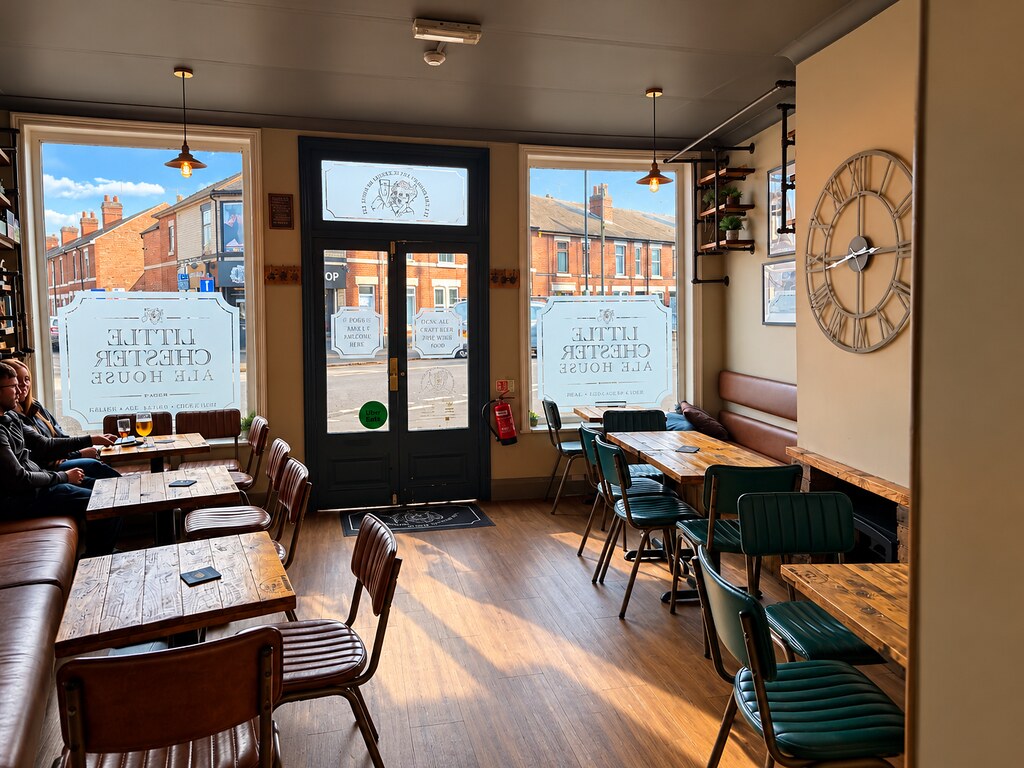

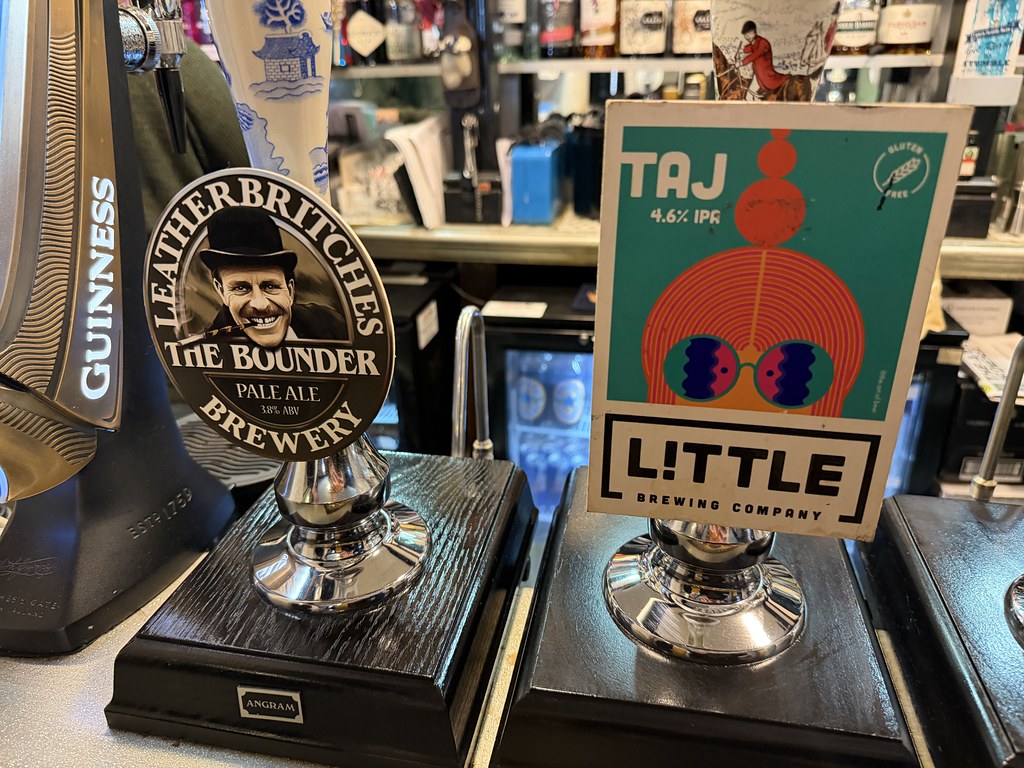
There were three cask ales on offer, alongside a couple of still ciders and a choice of keg beers. I went for The Bounder from Leatherbritches Brewery, a 3.8% golden ale. It had a lovely touch of grapefruit and a little spice, with a crisp, bitter finish. A refreshing choice for a stop at Derby’s first micropub, and a nice place to settle down for a pint before heading on.


Seven Stars
Seven Stars Derby was next up. The Seven Stars is one of Derby’s oldest surviving pubs, with the building dating back to 1680. This Grade II-listed building stands on land once associated with St Helen’s Oratory and has retained much of its historic character. The pub also has a fascinating connection with Derby’s brewing history, having once produced its own beer in buildings behind the main pub. Brewing finally came to an end in 1962, making it one of the last traditional brewpubs in Derby. There was also once a porcelain factory nearby, and it’s said that customers drank from china tankards rather than glasses.

Stepping inside the Seven Stars is a lovely experience, with plenty of old features that give the pub its traditional character. The building is divided into two main rooms, both served by a bar running between them, with wooden seating and a cosy, welcoming appearance. One of the most interesting features is the old well beneath the floor in the rear room, which can be seen through a glass panel and is beautifully illuminated. There is also an unusual barrel-fronted section of the bar dating from the 1960s. Outside, a raised beer garden provides somewhere to enjoy a drink when the weather is good.


There were three cask ales to choose from, alongside a range of keg options. I went for DCUK from Derby’s Dancing Duck Brewery, a 4.3% pale ale with plenty of hop character. It had a good hoppy bitterness, with citrus and pine flavours coming through. A lovely choice if you enjoy a hoppier pint. It was lovely to enjoy a locally brewed beer in one of Derby’s oldest pubs, with so much history to discover around the building.


The Five Lamps
A short walk brought me to Five Lamps Derby. The Five Lamps on Duffield Road dates back to 1848, when it was known as St Helen’s Inn. It was built within the former grounds of St Helen’s House, once home to the mill-owning Strutt family and later Derby School. The pub kept its old name until 2001, when it was renamed after the unusual five-headed streetlamp at the nearby junction. That lamp originally stood outside the Royal Hotel in Derby’s Corn Market before being moved here around 1890. After a spell of closure, the pub made a welcome comeback and won Derby CAMRA’s Pub of the Year in 2012.

Stepping inside the Five Lamps, there’s a lovely traditional feel, with dark green walls, wooden panelling and a large curved wooden bar. There are several different seating areas, with comfortable red leather booths, cosy green bench seating and attractive stained-glass screens. Large windows let in plenty of daylight, while framed pictures, hanging lights, a fireplace and an unusual old clock add plenty of character. There’s also a lovely covered seating area with exposed brickwork, hanging greenery and colourful artwork. Outside, the beer garden has a mixture of tables and chairs, colourful flowers and strings of lights overhead.


There were 11 cask ales to choose from, alongside a variety of still ciders and a wide range of keg beers. I went for Leerie’s Tipple, the Five Lamps’ own house beer, brewed specially for the pub by Thornbridge Brewery. With such a fantastic choice on the bar, it was lovely to try something made just for this pub, especially with its long connection to Derby’s famous five-headed streetlamp.

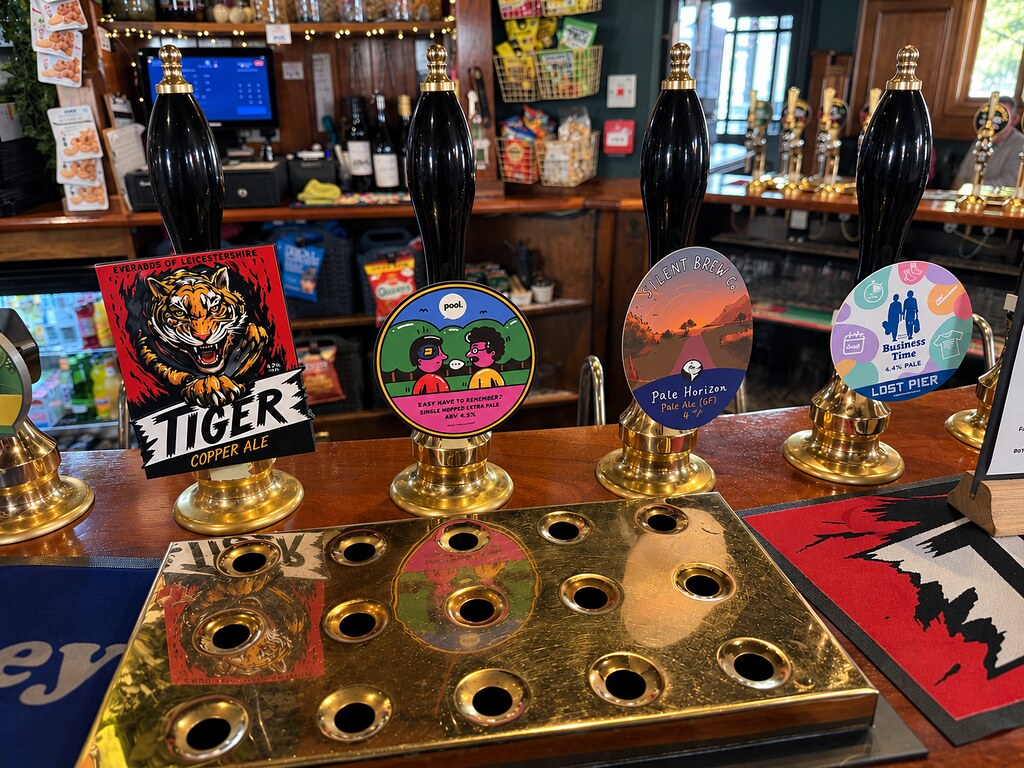


Flowerpot
Up next in Derby was to THE FLOWERPOT DERBY. The Flowerpot on King Street originally began life as a three-storey house before being converted into a pub. Its unusual name is believed to come from flower shows once held at the nearby Drill Hall. Over the years, the pub has grown beyond its original corner building, expanding into neighbouring premises to provide more drinking space and a dedicated music venue. During the 1990s, it developed into one of Derby’s best-known real ale pubs, while also building a strong reputation for live music. The Flowerpot remains a much-loved Derby venue, combining its long-standing pub traditions with a busy programme of performances and events.


Stepping inside the Flowerpot, there’s a lovely collection of connected rooms, each with its own character. Green leather seating, wooden tables and warm lighting give the pub a cosy, welcoming feel. The walls are decorated with old photographs, vintage advertising signs and plenty of music memorabilia, including a wonderful collection of framed concert photographs. There’s a nice mixture of traditional seating and taller tables, with wooden flooring running through much of the building. One unusual feature is the glass-fronted area where you can see the beer casks. Outside, there’s a large beer garden with covered seating, picnic tables and a raised terrace.


There were eight cask ales to choose from, alongside a variety of still ciders and a range of keg beers. I went for Pale Moonlight from Lenton Lane Brewery in Nottingham, a 3.7% session pale ale brewed with European hops. It’s a light, crisp and refreshing beer, making it a lovely choice while enjoying a pint in one of the Flowerpot’s cosy rooms.


Royal Standard
A short walk brought me next to The Royal Standard Derby. The Royal Standard is a lovely Victorian pub overlooking the River Derwent, dating back to the early 1860s. Originally much smaller, the building was expanded during the 1890s when two neighbouring cottages were incorporated into the pub. An interesting blue plaque outside remembers Reg Parnell, the Derby-born Formula One driver and team manager who once lived here. He later managed Aston Martin’s racing team to victory at Le Mans in 1959. After closing in 2006, the pub was rescued by Derby Brewing Company and reopened as the Brewery Tap in 2008. Following a major refurbishment by Pub People, it returned as the Royal Standard in June 2024.

Inside the Royal Standard, there’s a lovely mixture of traditional and modern features following its refurbishment. The pub is divided into two main areas, with exposed brickwork, wooden flooring and a distinctive brick-fronted bar giving it plenty of character. The smaller lounge has a cosy, more traditional appearance, while the larger area provides more space to sit and enjoy a drink. Its unusual curved shape is particularly noticeable inside, following the outline of the historic building. There is also an attractive outdoor courtyard and a roof terrace overlooking the River Derwent. It’s a welcoming pub with plenty of interesting features to explore.


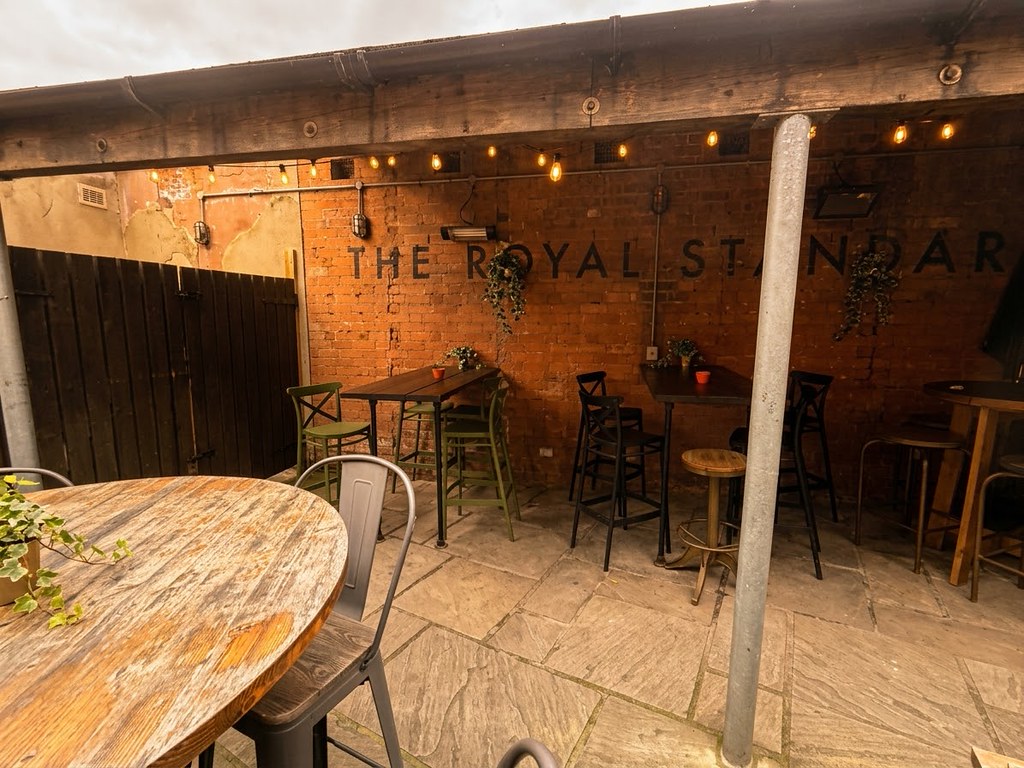

There were five cask ales on the bar, alongside a wide variety of keg choices. I went for Aurora from Derby’s Little Brewing Company, a 3.9% gluten-free pale ale with citrus notes and a soft, refreshing finish. It was the same beer I’d enjoyed earlier at the Five Lamps, but it was lovely to find it available here too. With the River Derwent just outside and plenty of character throughout the pub, it was another enjoyable stop.


Exeter Arms
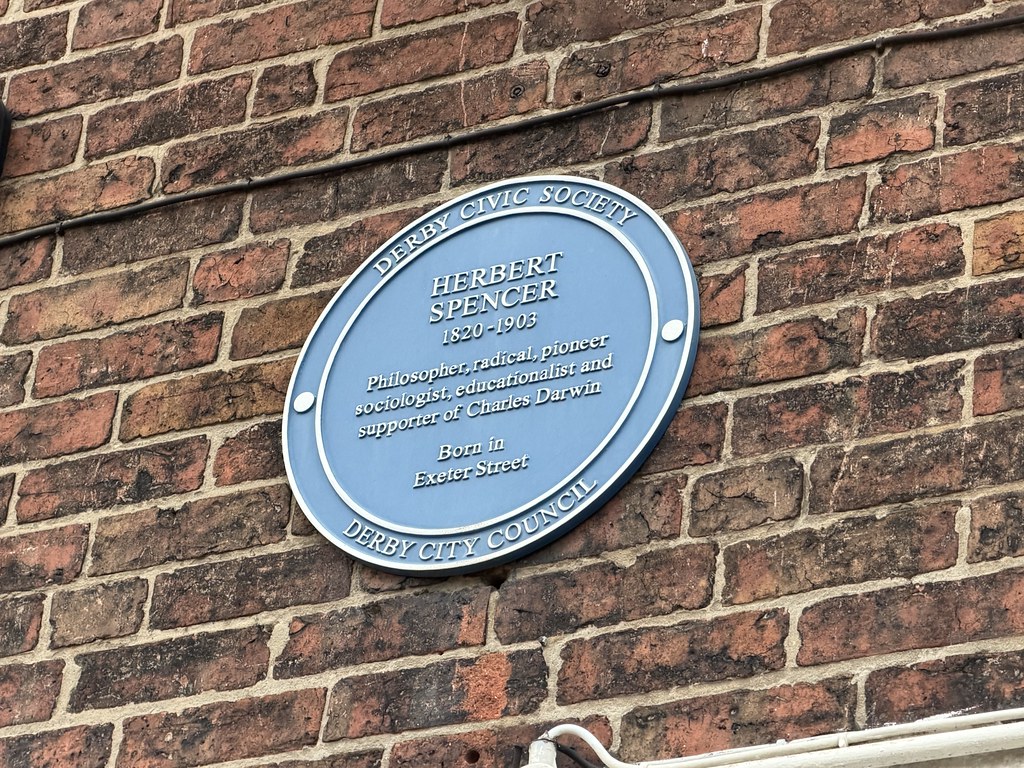
Another short walk brought me to The Exeter Arms Derby. The Exeter Arms is a beautiful Regency-style pub dating back to around 1816, standing on land once associated with the garden of Erasmus Darwin, grandfather of Charles Darwin. Its name comes from nearby Exeter House, a grand residence demolished in 1854. The pub has a long brewing history and remained independently owned until Bass took it over in 1970. Outside, a blue plaque remembers Herbert Spencer, the Derby-born philosopher and sociologist. The building has retained much of its early character, with the adjoining cottage, dating from around 1815, later incorporated into the pub. It’s one of Derby’s most interesting historic drinking places.

Stepping inside the Exeter Arms, there’s a lovely collection of smaller rooms, with tiled floors, old fireplaces and traditional wooden seating. The cosy corners have plenty of character, with colourful wallpaper, dark wooden panelling and comfortable green and red seating. Large windows let in plenty of daylight, while old pictures and a grandfather clock add to the traditional appearance. The old range in the snug is another lovely feature. Towards the back, there’s a covered seating area with wooden tables and benches, leading out to a spacious beer garden with colourful picnic tables and plenty of sheltered seating.


There were six cask ales on offer, alongside a still cider and a range of keg choices. I went for 22 from Derby’s Dancing Duck Brewery, a 4.3% best bitter. It had a lovely mix of malty flavours and dark fruit notes, with a good bit of bitterness and a clean finish. It was a fitting choice in a pub with its own long brewing history, and another enjoyable pint during my day exploring Derby.


Smithfield
Onto The Smithfield next in Derby. The Smithfield has stood beside the River Derwent since 1840, originally opening as the Cattle Market Hotel. It served traders and visitors to Derby’s busy livestock market, which stood nearby until 1970. The building’s unusual curved frontage is a reminder of the former road junction and bridge beside the pub. In 1982, it became known as the Smithfield, taking its name from the cattle market connection. After closing in 2011, it was sold at auction the following year and brought back to life following a refurbishment. Since reopening, the pub has earned an excellent reputation for real ale, collecting several Derby CAMRA awards.

Inside the Smithfield, there’s a spacious main room with a traditional pub appearance and plenty of character. One of the first things that stands out is the collection of Bass memorabilia, reflecting the pub’s long association with one of Britain’s best-known beers. There are plenty of tables and chairs arranged around the main room, while a smaller room towards the back offers a cosier place to enjoy a drink. The interior has a comfortable, lived-in feel, with lots of interesting details to look at. Outside, there’s a covered beer garden overlooking the River Derwent, providing a lovely spot to sit during the warmer months.


There were nine cask ales to choose from, alongside a wide variety of keg beers. I went for Vectis Venom from Island Brewery on the Isle of Wight, a 4.8% dark bitter. It had a lovely ruby tint, with a smooth, easy-drinking feel and a good balance of malt and hops. A nice change from some of the lighter beers I’d enjoyed earlier, and another lovely place to settle down with a pint beside the River Derwent.


The Falstaff
My final call in Derby was to The Falstaff pub & Brewery. The Falstaff is a lovely old Victorian pub tucked away on Silver Hill Road in Normanton, Derby. Built in 1886 as a small hotel, it was converted into a pub in 1933, with several Victorian features still surviving today. Brewing began in 1999 in former workshops beside the pub, before stopping for a short time. The brewery was brought back to life in 2003 and continues to produce its own beers on site. Known locally as ‘The Folly’, the Falstaff has become a much-loved part of Derby’s real ale scene, with plenty of history behind its doors.

Stepping inside the Falstaff, there’s a lovely traditional feel, with several rooms full of character. Dark wooden floors, green bench seating, old brewery signs and colourful stained-glass windows give you plenty to look at. The cosy Offilers room has curved red seating, warm lighting and a fireplace, while another room has a pool table. There’s also an impressive carved wooden fireplace beside the bar. Outside, the enclosed beer garden has wooden picnic benches, plenty of plants and ivy climbing the brick walls. An unusual metal horse sculpture really catches the eye, making this a lovely little spot to enjoy a pint.


There were four cask ales on the bar, all brewed on site, alongside a range of keg choices. For my final pint in Derby, I went for Mrs Cohen from Falstaff Brewery, a 4% golden pale ale. It had lovely light malt flavours, grassy hop notes and a gentle bitterness to finish. A nice, easy-drinking pint, and what better way to finish the day than enjoying a beer brewed right here at the pub.


